
5 Ways to Improve the Flow of a Home (And Why It Matters)
A common mistake in interior design is not taking into consideration the impact the design will have on the flow of the home.
By approaching a project without understanding how your design plans will affect the flow of the home, your efforts and ideas might not feel as cohesive as you would have liked.
Feng Shui
One way to improve the flow of the home is to adopt the Chinese laws around how the flow of energy (chi) moves throughout the home. If you picture energy as water, imagine where it would go if it were to flow through the home. Would there be blockages or areas where the water would stagnate? Plan the design of the home with this idea in mind to create a wonderful Feng Shui.
Colour
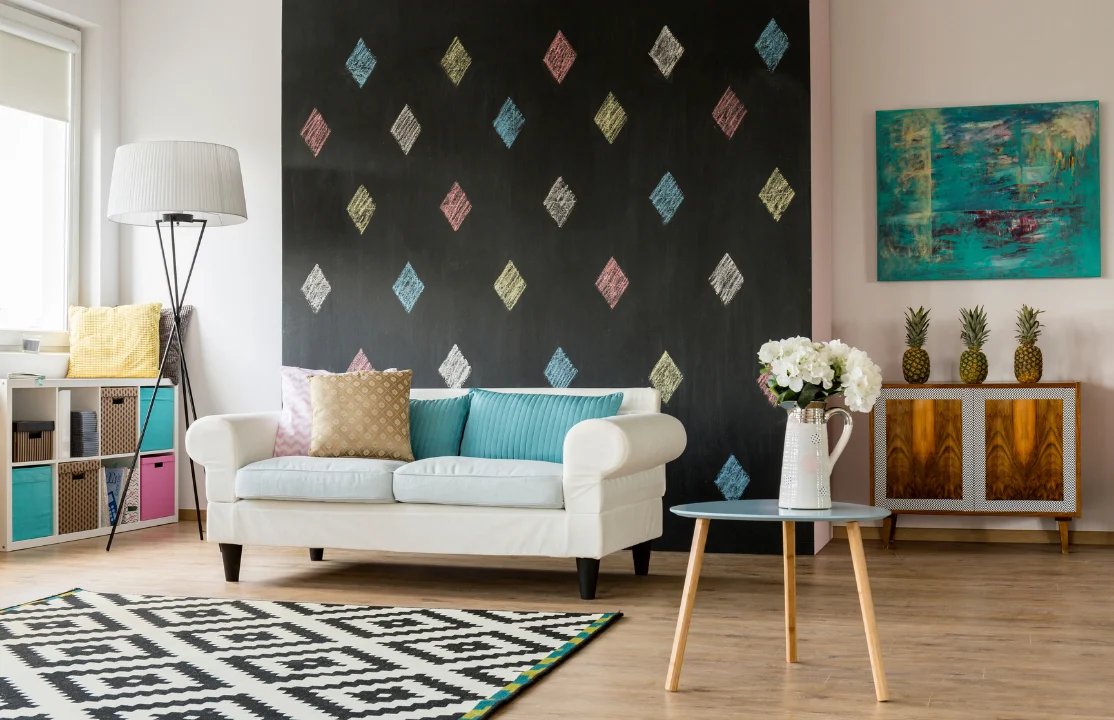
An easy way to connect the rooms within your home is to use accents of colours that will complement and create a flow and theme throughout the house. Pick a base colour and a selection of colours to connect each room.
Think about walls and the colours you’re using in furnishings to tie the different areas of the house together. Be careful when choosing colours as darker furnishings and wall paint can make small rooms look even smaller.
Open plan layouts
Where possible and if the brief fits, using open plan layouts will help to make the home feel spacious and expansive, which in turn helps to create a wonderful flow throughout the house. Open plan layouts encourage more light, help to connect different parts of the house simultaneously as well as being a big part of Feng Shui.
Create character
Flow can be amplified by establishing character for a home and this can be something you work on building as early on as the first consultation by tapping into your clients passions, dreams and style. Character can be created using furniture, colour, unique lighting, flooring or even just finishing touches.
Giving the home a unique look by using character will create creative cohesiveness.
Don’t overcomplicate it
Adding too much furniture, complex patterns, heavy upholstery or focusing a lot on one particular trend can ruin the flow of a home. Keep your design plans simple to begin with and ensure you’re leaving plenty of space around furniture to help improve the flow of the home. You can always add but it will be harder to take things away.
Ready to Start Your Interior Design Journey?
If you’re interested in becoming qualified as an interior designer in the UK, you can sign up for our prospectus to find out more information about studying for a UK government accredited qualification. We’ll help you understand exactly what’s involved in professional interior design training and how to build a successful career in this exciting industry.
For those looking to develop their business skills alongside their design expertise, our Hub Insiders membership programme provides ongoing mentorship and resources for growing your interior design practice.
About the Author
Kate Hatherell is the founder of The Interior Designers Hub and a qualified interior design professional with extensive experience in the industry. She has helped hundreds of students transition into successful interior design careers through The Interior Designers Hub’s UK government accredited Level 3 Diploma in Professional Interior Design and the Hub Insiders business membership programme. Kate is also a consultant and professional advisor to AIM Qualifications & Assessment Group, providing industry insights to the development of new interior design qualifications in the UK. Kate also runs SketchUp training courses, which are used by students across the world. She is committed to providing practical, industry-relevant education that prepares students for real-world interior design careers.