
How to Create a Cohesive Interior Design Scheme (Every Time)

Being tasked with an entire home interior design project is one the most exciting and rewarding jobs as an interior designer. However, if the project requires a completely cohesive design scheme throughout the home, there are some key points you’ll need to understand.
The ‘red thread’
The Scandinavian expression ‘röda tråden’ or ‘red thread’ describes the essence that binds a story together. In interior design this translates to creatively following a theme throughout the home.
To create a ‘red thread’ or cohesive interior design scheme, you’ll need to find a story, a piece of art or something that is close to the heart of the homeowner. Work with the style of home, the environment it’s in, the surroundings and even history of the location.
From here, you can start to bring the theme to life using colour, flooring, furnishings and art or accessories.
Find the story
Start building a picture from the moment you start communications with your client, on the initial discovery call, consultation and throughout the concept development stages. Tap in to their pain points and their passions. It’s important to understand the feelings they want to cultivate when they’re in their newly designed home so you have a deeper understanding behind the design choices you make.
Tip: don’t look at rooms in isolation to the rest of the house, think about how each room connects to the rest of the house.
Colour scheme
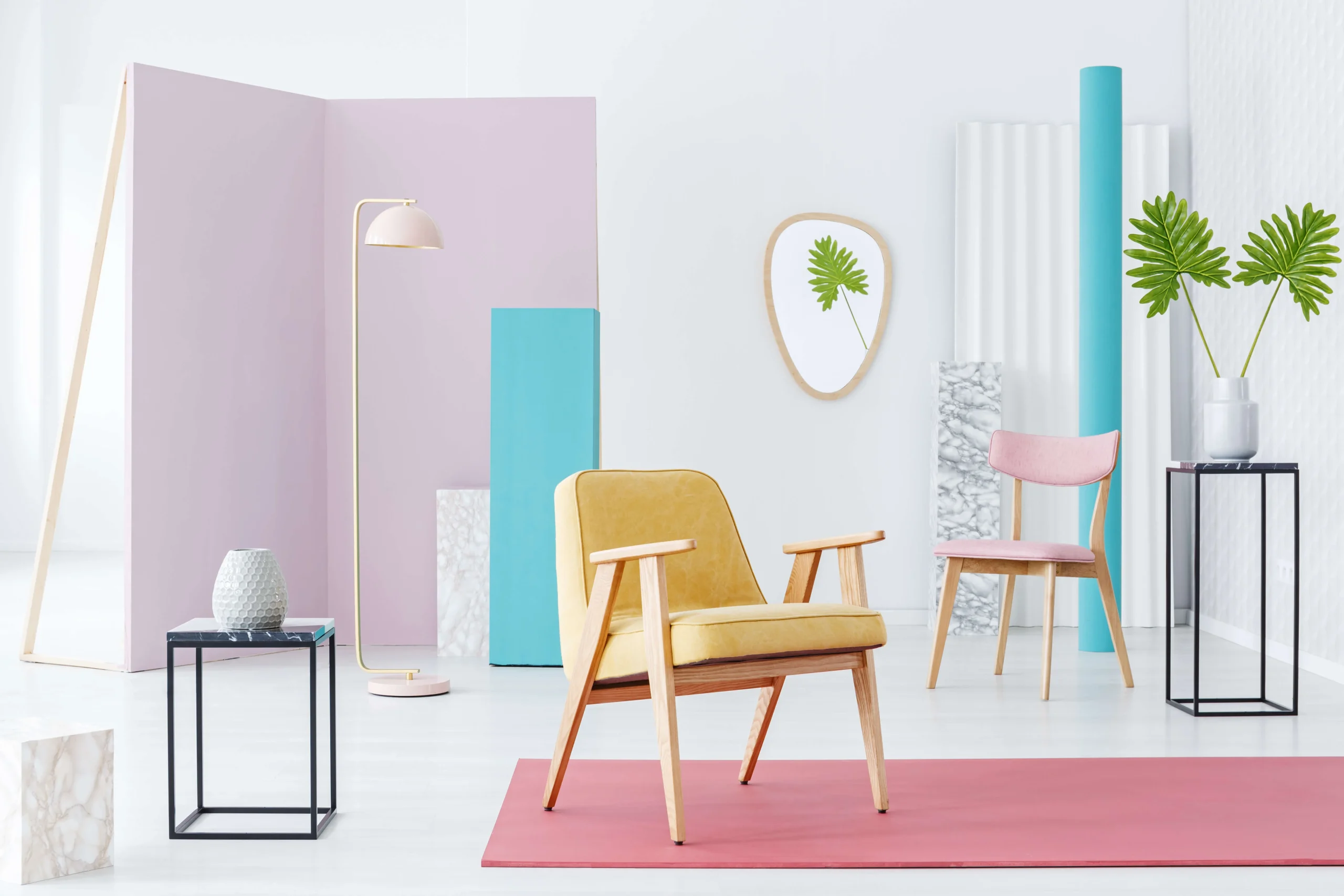
Start with the colour scheme, choosing a base colour and 3-6 accent colours. The base colour will be the one colour that ties and connects all of the rooms together, including hallways and connecting areas, so a neutral colour would work best.
You can have a lot of fun with the accent colours. Depending on the brief, you could go bright and eclectic or keep it neutral and consistent with the base colour. These accent colours can be represented through furnishings, accessories, art or furniture. Get creative with colours, connecting rooms with carefully placed pops of colour.

Flooring
Another way to create a cohesive design scheme is to use consistent flooring throughout the home. You can still mix different flooring but keeping a rhythm in terms of lines, colours and material.
Think about how you can connect rooms throughout the house using flooring.
Textures & finishing
You can really have some fun with textures and finishing touches. When selecting your pieces for each room, think about the positioning and placement, can you use textures that compliment and connect rooms together. Take inspiration from the environment the property is in, the style and architecture of the house. How can you bring the story or ‘red thread’ to life, what parts of the client’s personality can be showcased through textures, fabrics and art or finishing using your colour scheme?
Ready to Start Your Interior Design Journey?
If you’re interested in becoming qualified as an interior designer in the UK, you can sign up for our prospectus to find out more information about studying for a UK government accredited qualification. We’ll help you understand exactly what’s involved in professional interior design training and how to build a successful career in this exciting industry.
For those looking to develop their business skills alongside their design expertise, our Hub Insiders membership programme provides ongoing mentorship and resources for growing your interior design practice.
About the Author
Kate Hatherell is the founder of The Interior Designers Hub and a qualified interior design professional with extensive experience in the industry. She has helped hundreds of students transition into successful interior design careers through The Interior Designers Hub’s UK government accredited Level 3 Diploma in Professional Interior Design and the Hub Insiders business membership programme. Kate is also a consultant and professional advisor to AIM Qualifications & Assessment Group, providing industry insights to the development of new interior design qualifications in the UK. Kate also runs SketchUp training courses, which are used by students across the world. She is committed to providing practical, industry-relevant education that prepares students for real-world interior design careers.